Planning a safari in Tanzania involves more than choosing which national parks to visit. One of the most important decisions is how to get there, particularly when traveling from Arusha to Serengeti National Park.
You can travel by road in a safari vehicle, passing through changing landscapes and enjoying the journey as part of your adventure. Alternatively, you can take a domestic flight to an airstrip in or near your intended safari area, reducing travel time and allowing you to spend more of your trip exploring the wilderness.
Neither option is automatically better. The right choice depends on your budget, available time, preferred travel experience, and the locations you want to visit within the Serengeti.
Here’s how the two options compare and what to consider before making your decision.
1. How Long Does It Take to Travel from Arusha to Serengeti?
Travel time is often the first consideration, especially for visitors with limited days in Tanzania.
Traveling by Road
A road journey from Arusha to the Serengeti can take approximately six to nine hours or longer, depending on your destination within the park, road conditions, traffic, and stops along the way.
The Serengeti is enormous, so reaching the central Seronera area is different from traveling to the southern plains around Ndutu or the remote northern region near the Mara River. Your final destination has a significant impact on the total journey time.
A road transfer can also form part of a longer safari itinerary. For example, you might travel from Arusha to Tarangire, continue toward the Ngorongoro Conservation Area, and then enter the Serengeti. This approach allows you to explore multiple destinations rather than treating the transfer as a journey to be completed as quickly as possible.
However, if your main objective is to reach the Serengeti and begin wildlife viewing, a long drive can consume a substantial portion of your first day.
Traveling by Plane
Flying from Arusha Airport to a Serengeti airstrip typically takes around an hour to an hour and a half, depending on the destination and flight routing. Some services may include intermediate stops, so the actual journey can be longer.
Flights generally operate to airstrips serving different parts of the Serengeti, including central, northern, and other seasonal safari areas. The appropriate arrival point depends on your accommodation location and planned activities.
You will still need to account for airport check-in, flight schedules, transfers between your accommodation and the airports, and any waiting time. Nevertheless, flying can save several hours compared with traveling all the way by road.
The key difference: Road travel makes the journey part of the experience, while flying prioritizes getting you closer to your safari destination sooner.
2. What Will You See Along the Way?
The journey itself can influence how you experience Tanzania.
The Road Journey Offers More Than a Transfer
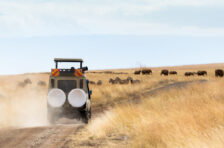
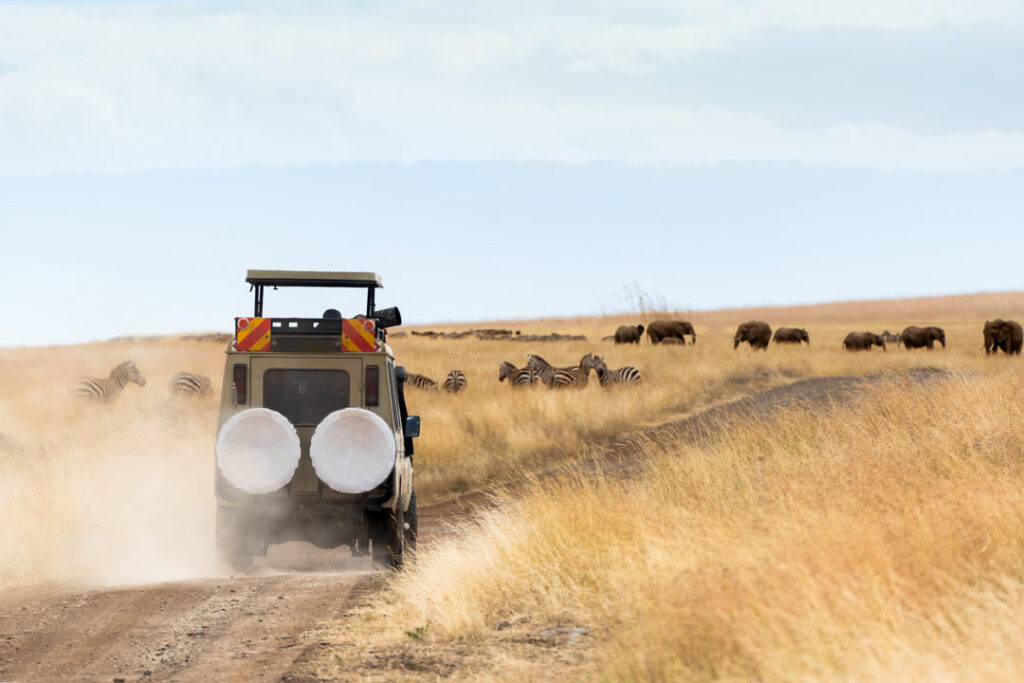
Traveling by road gives you an opportunity to see the landscapes between Arusha and the Serengeti. Depending on your route, you may pass through rural settlements, cultivated land, open plains, and the highland scenery surrounding the Ngorongoro Conservation Area.
Your guide can explain the changing environment and point out interesting features along the way. Depending on your itinerary, you may also include stops at other destinations rather than driving directly to the Serengeti.
There is a trade-off, however. A long transfer is not the same as a dedicated game drive. Although you may encounter wildlife along parts of the route, sightings are not guaranteed, and the time available for exploring the park may be reduced.
Flying Gives You a Different Perspective
Flying offers a chance to appreciate the scale of Tanzania’s landscape from above. Depending on the route, you may see expansive plains, woodland, and other features of the country’s diverse terrain.
The main advantage, though, is the time saved. Instead of spending much of the day on the road, you can arrive closer to your safari area and continue with a game drive, subject to your flight arrival time and itinerary.
For travelers visiting the Serengeti primarily to observe wildlife, this can make a significant difference, particularly on shorter trips.
3. Is Flying More Expensive Than Driving?
In most cases, flying adds a substantial transport cost to your safari. Whether that additional expense is worthwhile depends on your priorities and the length of your trip.
The Cost of a Road Safari
Road safaris are often attractive to travelers looking for better overall value, particularly when the itinerary includes several destinations.
A safari vehicle and driver-guide can be used across multiple days, allowing you to combine destinations without arranging separate flights for each leg. The cost of transport is generally incorporated into the overall safari package.
However, road travel is not automatically the cheapest option in every situation. Long distances increase fuel consumption, vehicle operating costs, and the time required from your guide. These factors contribute to the overall cost of a safari.
The Cost of a Fly-In Safari
Fly-in safaris typically cost more because domestic flights are an additional expense. Fares vary according to the route, travel season, airline, availability, and booking conditions.
You may also need to arrange transfers between the airstrip and your accommodation. Some camps and lodges offer transfers as part of their packages, while others charge separately.
Despite the higher transport cost, flying can make sense when you have only a few days available. It allows you to allocate more of your limited time to the safari itself rather than spending much of it traveling between destinations.
Which Option Offers Better Value?
Consider a traveler planning a three-night Serengeti safari.
A road itinerary may require substantial travel time on the first and final days, depending on the route and schedule. A fly-in itinerary can reduce those transfers, potentially allowing more time for wildlife viewing.
For a longer trip that includes Tarangire, Ngorongoro, and the Serengeti, road travel may be more practical because the journey connects destinations that already form part of the itinerary.
The important distinction is between the lowest transport price and the best value for your entire trip. A cheaper transfer may require more time, while a more expensive flight may help you make better use of a limited holiday.
4. Road Safari vs. Fly-In Safari: A Quick Comparison
| Factor | By Road | By Plane |
|---|---|---|
| Travel time | Usually several hours, depending on the destination | Typically around 1 to 1.5 hours of flight time, depending on the route |
| Overall cost | Often more economical for multi-destination itineraries | Usually more expensive because of flight costs |
| Scenery | Close-up views of landscapes and rural areas along the route | Aerial views of Tanzania’s varied landscapes |
| Wildlife viewing | May include opportunities along the route and within the parks | Saves transfer time, allowing earlier access to the safari area |
| Flexibility | Useful for connecting several destinations by road | Depends on flight schedules, routes, and airstrip availability |
| Luggage | Vehicle capacity and passenger numbers determine available space | Airlines impose baggage limits, which may include strict weight and bag-size restrictions |
| Best suited for | Longer itineraries, travelers who enjoy road journeys, and multi-park safaris | Shorter trips, travelers with limited time, and itineraries focused on a particular safari region |
Travel times and costs are approximate. Actual arrangements depend on the season, route, operator, and itinerary.
5. What About Luggage Restrictions on Domestic Flights?
Luggage is an important consideration when choosing a fly-in safari, particularly if you are arriving in Tanzania with large suitcases.
Many domestic safari flights use small aircraft, where luggage capacity is more limited than on international commercial flights. Operators commonly require soft-sided bags because they are easier to fit into aircraft luggage compartments.
Weight limits vary by airline, aircraft, and route. Some flights have strict combined limits covering checked baggage and hand luggage, so you should confirm the current allowance before traveling.
If you plan to combine an international holiday with a fly-in safari, consider packing a smaller bag for the safari portion of your trip. You may be able to arrange storage for excess luggage with your hotel or safari operator, provided this is agreed in advance.
Road safaris generally offer more flexibility with luggage, although the available space still depends on the vehicle, number of passengers, and amount of equipment being carried.
For photographers traveling with camera bodies, lenses, tripods, and other equipment, checking the flight’s baggage policy before booking is particularly important.
6. Which Part of the Serengeti Are You Visiting?
The Serengeti covers an enormous area, and choosing the right arrival point can be just as important as choosing between road and air travel.
Your intended safari region should influence your transport decision.
Central Serengeti
The central Serengeti, particularly the Seronera area, is a popular destination for year-round wildlife viewing.
Flying into an airstrip serving this region can be convenient if your accommodation is nearby. Road travel is also a common option, particularly for itineraries that combine the Serengeti with other northern Tanzania destinations.
Southern Serengeti and Ndutu
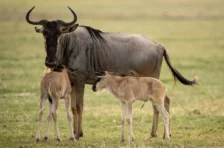
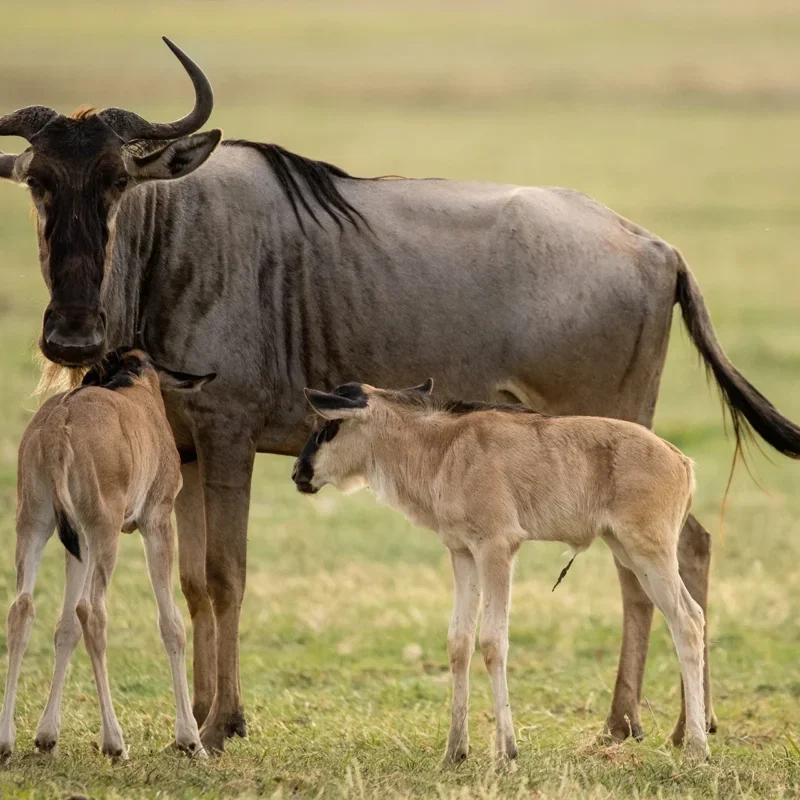
The southern plains around Ndutu are particularly well known for the wildebeest calving season, generally from December through March.
For travelers visiting specifically to experience calving season, flying closer to the intended safari area may save considerable time. However, road access can make sense when Ndutu forms part of a longer Northern Circuit itinerary.
The best choice depends on where the herds are expected to be, the location of your accommodation, and your available travel days.
Northern Serengeti
The northern Serengeti attracts travelers hoping to experience the Great Wildebeest Migration during its northern phase, particularly around the Mara River.
Flying to an airstrip serving the northern region can avoid a very long overland transfer from Arusha. This is especially useful when your itinerary focuses on the northern Serengeti rather than visiting several parks along the way.
River crossings are unpredictable, however, and flying into the region does not guarantee that you will witness one.
7. Can You Combine Road Travel and Flying?
Yes. You do not necessarily have to choose one transport method for your entire safari.
A combination of road travel and domestic flights can be a practical way to balance cost, travel time, and the destinations you want to visit.
For example, you could explore Tarangire National Park and the Ngorongoro Conservation Area by road before flying from the Serengeti back to Arusha. This allows you to experience the Northern Circuit while avoiding a long return journey from the Serengeti.
Another option is to fly into the Serengeti at the beginning of your safari and travel back by road, stopping at other destinations along the way.
These arrangements depend on flight availability, your itinerary, and the logistics of connecting your safari vehicle with the relevant airports or airstrips.
For travelers with a little more flexibility in their budget, combining both options can offer a good balance between exploration and convenience.
8. So, Should You Drive or Fly from Arusha to the Serengeti?
The best option depends on what you want from your Tanzania safari.
Choose road travel if:
- You have enough time to explore several destinations.
- You want to experience the landscapes between Arusha and the Serengeti.
- You prefer to keep transport costs manageable.
- You are planning a longer Northern Circuit safari.
Choose a fly-in safari if:
- You have limited time in Tanzania.
- Your main priority is spending more time in the Serengeti.
- You are visiting a remote safari region, such as the northern Serengeti.
- You are comfortable paying more to reduce overland travel.
Consider combining both if you want to explore several destinations but would prefer to avoid a long return drive.
Before deciding, compare the complete itineraries rather than looking at transport prices alone. Consider the number of nights in the Serengeti, your accommodation location, included game drives, transfer arrangements, and the amount of time you will actually spend exploring.
Plan Your Serengeti Safari with Sakey Safaris
Getting to the Serengeti is an important part of planning your safari, but it should support the experience you want to have once you arrive.
For some travelers, the road journey is an opportunity to explore Tanzania gradually, connecting national parks and discovering the changing landscapes along the way. For others, flying is the more practical choice, making it possible to spend more of a short holiday in the wilderness.
At Sakey Safaris, we can help you compare the options and plan an itinerary around your travel dates, budget, and preferred destinations. Whether you choose a road safari, a fly-in experience, or a combination of both, the aim is to make the most of your time in Tanzania.